
Hotel revenue is often discussed in terms of room rates, occupancy and distribution. But there is another part of the revenue equation that begins after the booking is made: the guest experience.
A guest who has a memorable stay has a reason to return. They may recommend the hotel to others, choose it again on their next visit, or develop a longer-term relationship with the property. For independent hotels, that makes guest satisfaction as relevant to sustainable revenue as many of the decisions made before a room is sold.
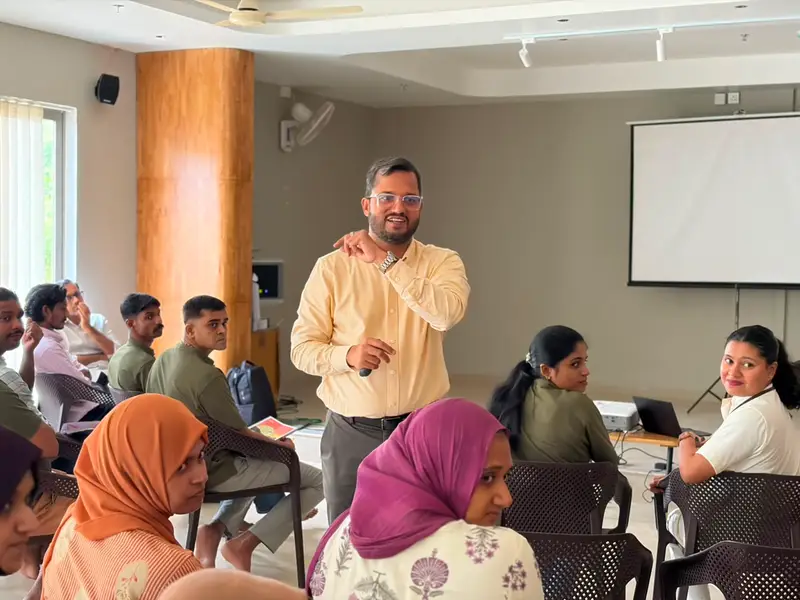
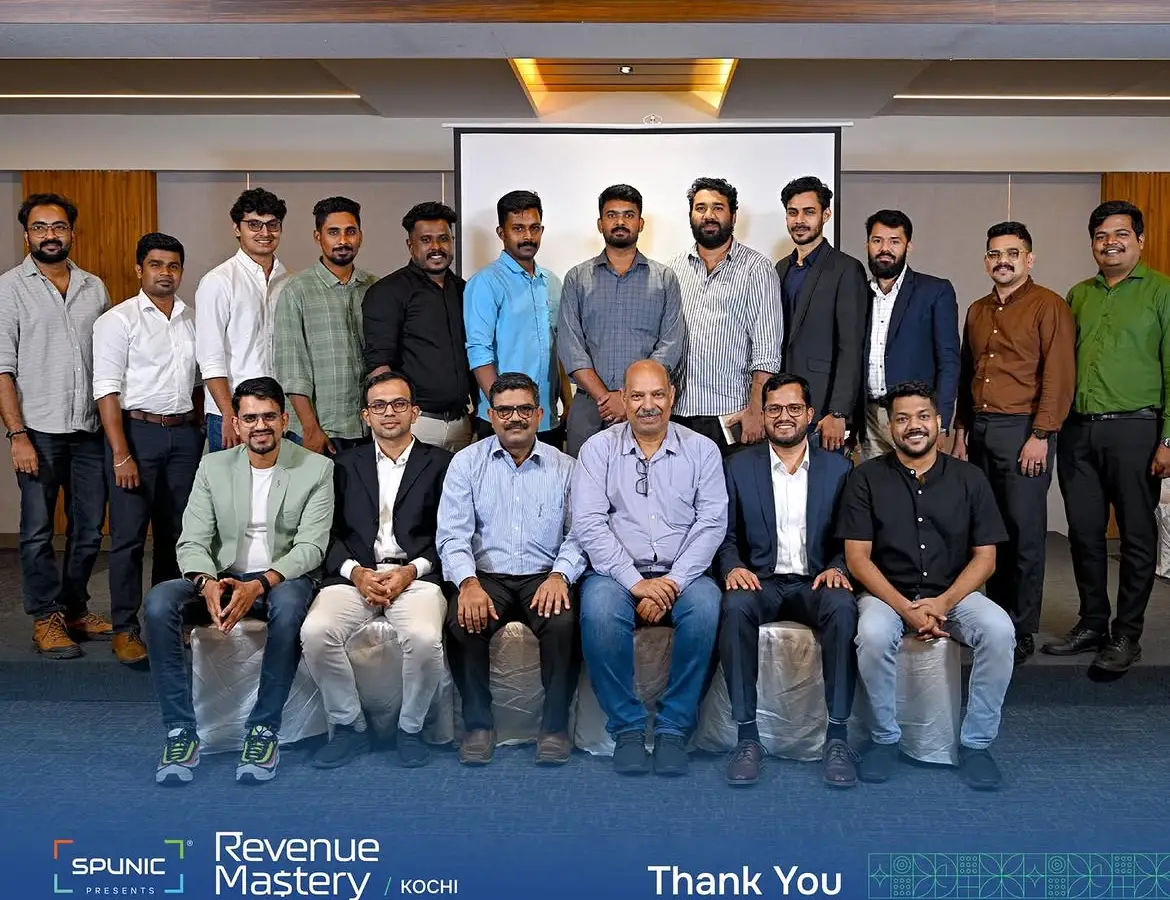
This connection between guest experience and commercial performance was at the centre of Revenue Mastery, a full-day workshop hosted by Spunic Hospitality at Abad Plaza Hotel in Kochi on 5 April 2025.
The programme brought together small and medium-sized hotel owners and revenue and reservations professionals from boutique hotel chains, with participants travelling from multiple districts across Kerala.
Revenue Mastery is part of a wider series of hospitality workshops conducted by Spunic across Kochi, Calicut and Wayanad.
Revenue does not end when the room is sold
The key session of the day was led by Sadikh P. Padikkal and focused on guest satisfaction and its relationship with repeat business.
Acquiring a guest and delivering a good stay are sometimes treated as separate responsibilities. Sales, reservations and revenue teams focus on getting the booking, while operations take over once the guest arrives.
From the guest’s perspective, however, there is no such separation.
The reservation experience, arrival, room, service interactions, handling of requests and response when something goes wrong all contribute to whether the guest considers the stay worth repeating.
Sadikh’s session encouraged hotel owners and teams to look at guest satisfaction through this wider commercial lens.
The question is not only:
How do we get the guest to book?
It is also:
What gives that guest a reason to choose us again?
That distinction matters particularly for independent and smaller hotels. They may not have the scale, marketing budgets or loyalty programmes of large hotel groups, but they can still build strong relationships with guests through thoughtful and consistent experiences.
Repeat business does not eliminate the need for distribution or new customer acquisition. It does, however, give a hotel another source of demand beyond continually finding a new guest for every stay.
Guest experience is part of the revenue conversation
A hotel can make good pricing decisions and still struggle to build sustainable business if guests have little reason to return.
The reverse is also true. A property may create an excellent experience, but poor pricing or distribution decisions can prevent it from converting demand into healthy revenue.
This is why the two subjects belong in the same conversation.
When a guest discovers a hotel through an OTA, for example, the OTA has played an important role in acquiring that booking. If the hotel then creates a strong relationship with the guest, a future stay may begin from an existing relationship rather than from the same discovery process all over again.
The point is not that hotels should choose between distribution and guest experience. Both have a role.
The stronger question is how a hotel can acquire guests intelligently, deliver an experience worth returning for, and gradually build a healthier mix of new and repeat business.
Making better pricing and distribution decisions
The commercial side of Revenue Mastery was led by Azhar Umar, with sessions covering pricing, occupancy and distribution.
For many small and medium-sized hotels, these decisions do not sit within a dedicated revenue management department. The owner, general manager, sales team or reservations team may all have a role in deciding rates and managing inventory across channels.
That makes the reasoning behind those decisions particularly important.
High occupancy by itself does not necessarily mean a hotel has maximised its revenue. A room sold too cheaply cannot be sold again that night. At the same time, holding a rate that the market will not accept can leave perishable room inventory unsold.
Pricing therefore needs to be considered alongside demand, occupancy and the channels through which bookings are being generated.
The same applies to distribution. OTAs can provide valuable reach and demand, while direct and repeat business can play a different role in the hotel’s overall business mix. The objective is not to treat one channel as universally good or bad, but to understand what each contributes and make deliberate commercial decisions around it.
Experience and revenue are part of the same system
Bringing guest satisfaction and revenue management into one programme was intentional.
Consider the journey of a first-time guest.
Before the stay, pricing and distribution influence whether the guest discovers the hotel and decides to book. Once the booking is made, the experience delivered by the hotel influences satisfaction and the possibility of that guest returning.
If the relationship continues, that returning guest becomes part of the hotel’s future demand.
Seen this way, revenue management is not isolated from operations and guest experience. The decisions made before, during and after a stay can influence the long-term commercial performance of the property.
For hotel owners, that means the revenue conversation cannot sit entirely with the reservations desk, just as guest satisfaction cannot sit entirely with operations.
Both ultimately affect the business.
Hospitality experience behind the programme
Revenue Mastery was conducted by Sadikh P. Padikkal and Azhar Umar of Spunic Hospitality.
Sadikh is a hospitality trainer and customer experience coach with nearly three decades of experience across aviation, airport operations, customer service and team leadership. His work with Spunic Hospitality focuses on service culture, guest experience and hospitality training.
Azhar’s hospitality career began at Flora Airport Hotel Kochi and progressed through sales to the role of Resident Director. In that role, he worked with the team during a period of sustained losses and helped restore the 60-room, four-star property to profitability within two years. His experience at the hotel covered revenue management, operations, procurement, sales, HR and finance.
He continues to work with selected independent hotels on pre-opening and repositioning engagements, including positioning, pricing, OTA contracting, sales processes and revenue strategy.
The Kochi programme was inaugurated by Jibran Asif, Director of Abad Hotels & Resorts. Jibran has been a Director of the Abad Group of Hotels since 2009 and has also been actively involved in Kerala’s hospitality and tourism industry through Kerala Travel Mart and the Association of Approved and Classified Hotels of Kerala.
Continuing the Revenue Mastery series
The Kochi workshop was part of Spunic’s wider Revenue Mastery initiative, with programmes conducted across Kochi, Calicut and Wayanad.
Bringing hotel owners, revenue professionals and reservations teams together creates an opportunity to discuss commercial performance beyond individual departments.
The central idea is simple: winning the booking matters, but so does giving the guest a reason to come back.
For Spunic Hospitality, Revenue Mastery brings those two sides of hotel performance into the same conversation.
Thank you to Jibran Asif, every participant and everyone who supported the Kochi edition of Revenue Mastery.
Interested in Revenue Mastery for your hotel or hospitality team? Get in touch with Spunic Hospitality to discuss an in-house workshop or upcoming programme.